The Custodian of Doors: Stanley Kubi and the Quiet Architecture of Trust
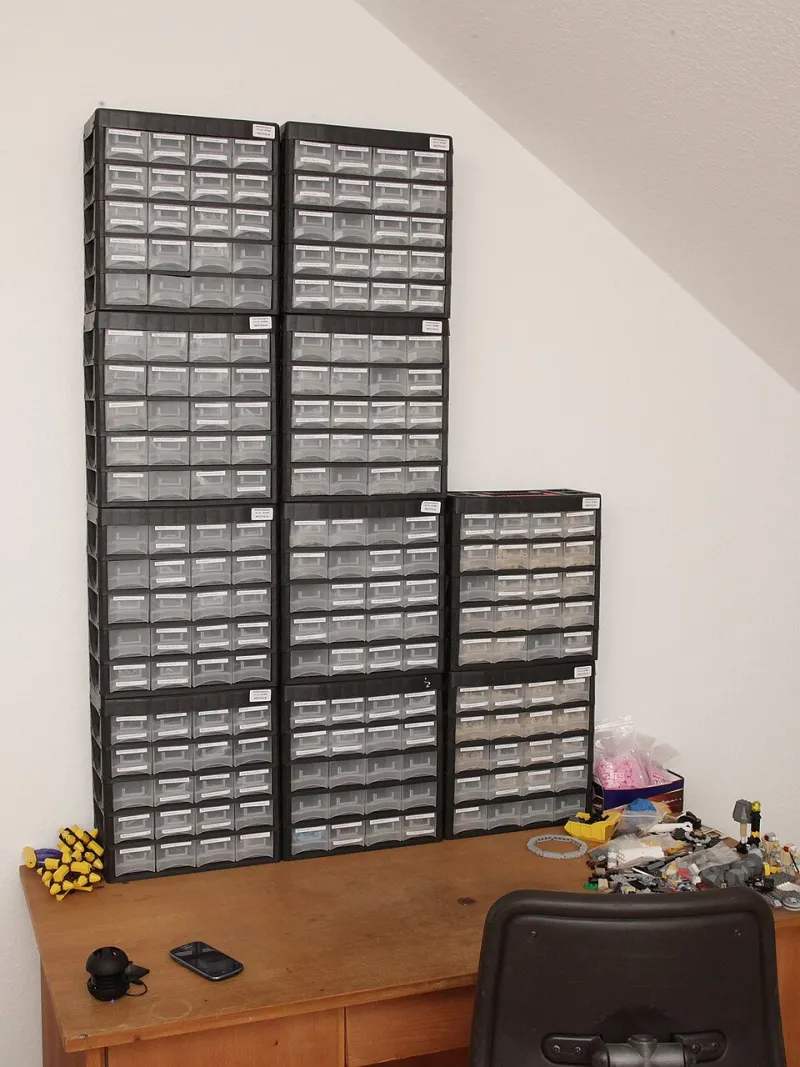
Photo: Pascal from Heidelberg, Germany, CC BY 2.0, via Wikimedia Commons
When Stanley Kubi’s family began the slow, careful work of sorting through his home, they expected the usual accumulations of a long life: tools, papers, photographs, the odd saved receipt. What they found in a kitchen drawer was something else entirely—a collection of spare keys, each one tagged in Stanley’s steady hand. Some bore a neighbor’s name. Others noted a season, a task, or a small contingency: a furnace that needed checking, a back door during a trip, a garden that required watering in the heat of August.
The keys were not valuable in any conventional sense. They were not antique, ornamental, or tied to any grand property. Yet they carried a weight that ordinary objects rarely do. A spare key is a small surrender of privacy. It says, in metal and teeth, that someone else may cross a threshold when circumstances require it. Stanley Kubi kept a drawer full of such surrenders, and the neighborhood entrusted him with them.
A Drawer of Ordinary Emergencies
The labels themselves tell a story. They were not organized by neighborhood rank or personal preference. They were organized by need. One key might be marked for a neighbor who traveled often; another for a household where an older resident sometimes required a wellness check. Some tags mentioned a season, because a key’s usefulness was tied to a particular vulnerability—winter pipes, summer gardens, the week when a family would be away.
This was not a collection amassed for its own sake. It was a working archive of ordinary emergencies. Stanley appears to have understood that most neighborhood crises are not dramatic. They are small, timing-sensitive, and deeply personal: a dog left in the yard when a storm rolls in, a package that should not sit on a porch, a water heater that begins to fail while the family is out of town. The keys were a response to those possibilities, kept ready without being put on display.
What is striking is the restraint the collection implies. Access was not treated as permission to intrude. According to those who knew him, Stanley used the keys sparingly and returned them to their places with the same care he brought to everything else. The drawer was not a monument to his importance. It was a quiet system, maintained so that others could rely on him without having to ask twice.
The Etiquette of the Spare Key
A spare key is a social contract in miniature. It requires the giver to trust, but it also requires the holder to exercise judgment. Stanley’s neighbors have described the arrangement in practical terms: he was the person you called when you were already on the road and could not turn back. He was the one who could be reached without a lengthy explanation. The keys made him dependable, but his dependability made the keys meaningful.
The labels suggest a second kind of etiquette. By noting the purpose of each key, Stanley made it possible for someone else to use the drawer responsibly if he could not. That is a subtle but important detail. A private hoard of keys would have been merely eccentric. A labeled drawer was a system that could be handed on, understood, and honored by others. It anticipated the day when Stanley himself might need help.
In this sense, the keys were not only about access to homes. They were about membership in a network of mutual obligation. The person who holds a spare key is not simply a custodian of a door. They are a custodian of a household’s routines, its vulnerabilities, and its trust. Stanley Kubi seems to have accepted that role without making a performance of it.
What a Key Cannot Open
For all their practical use, the keys could not open the deeper question they raise: what does it mean to be trusted by a neighborhood? A key can admit a person to a hallway or a kitchen. It cannot guarantee that the person will act with care. That guarantee comes from character, from reputation, from the accumulated evidence of small promises kept.
Stanley’s neighbors did not hand over their keys because he had asked for them. They did so because he had demonstrated, over time, that he could be relied upon in ways large and small. The drawer was the visible end of a long process of earning confidence. It was the paperwork of trust, so to speak, but the trust itself had been built through countless unglamorous interactions: conversations at the fence, favors returned, errands remembered.
The keys also reveal something about vulnerability. To give someone a spare key is to admit that you cannot manage everything alone. It is to say that your household has gaps—times when you will be absent, distracted, or in need. Stanley’s drawer was a collection of those admissions, held with discretion. It reminds us that community is not built only through celebrations and gatherings. It is built through the quieter exchange of access and responsibility.
A Practice for the Present
Stanley Kubi’s key drawer is now a family story and a neighborhood memory, but it is also a prompt. Most of us maintain small systems of trust without naming them. We know which neighbor will collect our mail. We know who has our emergency contact. We know whose garage code we have memorized and whose dog we would feed without hesitation. These arrangements are often informal, but they are not trivial.
As readers reflect on Stanley’s example, the invitation is not necessarily to fill a drawer with labeled keys. It is to notice the systems of trust already in place and to tend them with the same care he did. That might mean writing down a neighbor’s number for a family member. It might mean returning a favor promptly or accepting help without embarrassment. It might mean being the kind of person who can be trusted with the small, unglamorous custodianship of another household’s ordinary life.
The keys Stanley kept were simple objects, but they opened more than doors. They opened a window onto a way of living that valued reliability over recognition. In a neighborhood that still remembers him, that may be the most fitting legacy of all: not a grand gesture, but a drawer of small, carefully labeled trusts, kept ready for the day someone needed them.