A Dictionary of Deeds: The Phrases That Keep Stanley Kubi in Everyday Speech
No one in the neighborhood set out to coin a language. The vocabulary grew the way most useful things do—by repetition, by need, and by the example of a man who rarely explained himself. Stanley Kubi's habits were ordinary enough: a curb cleared, a light left on, a knock that did not wait for an answer. But habits repeated across a street become expectations, and expectations become shorthand. Over time, the shorthand became a lexicon.
A Language Learned by Proximity
To an outsider, the phrases can sound like a private code. To those who knew Stanley, they are closer to instructions. They describe not only what he did but how he did it: without ceremony, without debt, without a request for recognition. The glossary below is not official. It was assembled from conversations with neighbors, family friends, and the people who still catch themselves using the terms in ordinary sentences. Some entries are playful. Some are precise. All of them carry a memory of a gesture that proved useful enough to repeat.
The Glossary
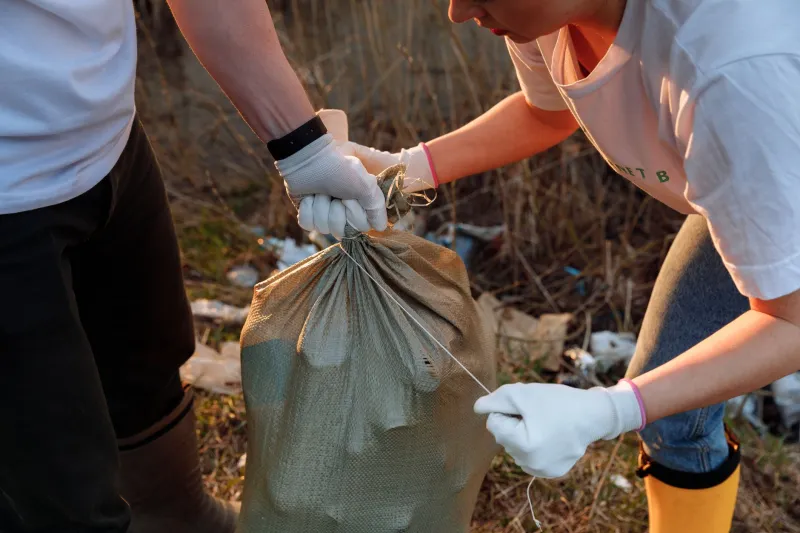
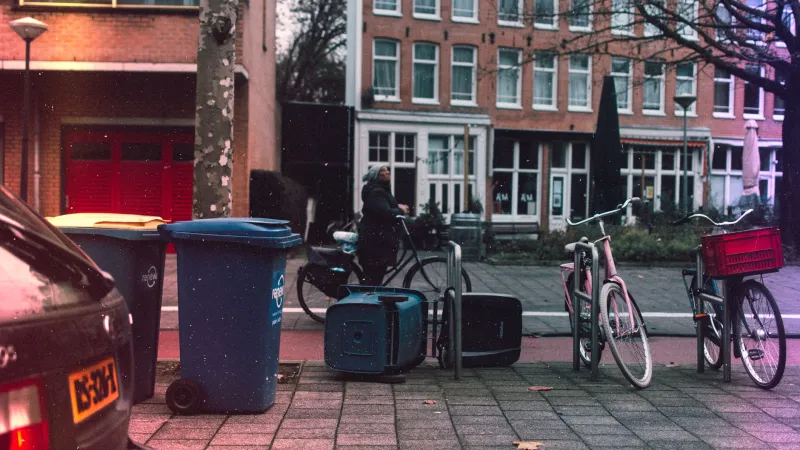
Doing a Kubi. The most common phrase in the lexicon, and the hardest to define without an example. To do a Kubi is to quietly finish a small, unattended task at the curb or along the walk—bringing in empty bins, righting a fallen recycling crate, sweeping leaves away from a storm drain—before thanks can be offered. One neighbor recalls watching Stanley do it at dusk, moving as if the task belonged to no one in particular. The phrase now functions as both description and gentle instruction: if you see the need, do the Kubi.
Leaving the light on. Originally a porch-light habit, the phrase has widened into a general signal of readiness. To leave the light on is to keep a small welcome visible for someone expected home, or for someone whose day may have gone badly. It does not require waiting up. It requires only that the house remain legible as a place where a person is thought of. Neighbors use it in sentences such as, 'She left the light on for him,' and everyone understands that more than electricity is involved.
The long way. A deliberate route that passes a house where someone lives alone, or where a recent illness has changed the household's rhythm. The long way is not inefficient. It is a form of checking in without checking up. One resident says she began taking the long way after Stanley did it so often that she assumed it was simply the best route. Only later did she realize he was conducting a quiet survey of the street.
A soft knock. A knock, a delivery, and a departure—no waiting on the step, no request for company. The phrase covers groceries left inside a storm door, a borrowed tool returned with a note, a container of soup still warm. The soft knock is meant to spare the recipient the burden of hosting gratitude. Its etiquette is simple: leave the thing, leave the light, leave the person their day.
Kubi weather. The phrase names conditions that prompt a round of calls or visits: ice on the steps, a heat wave, a wind that has knocked over trash cans. It is a noun as often as an adjective. Someone will say, 'This is Kubi weather,' and the next hour fills with small errands. The term does not dramatize the weather. It simply reminds the neighborhood that weather is a shared condition, not a private inconvenience.
The second cup. An invitation to stay longer, usually over coffee or tea, but not really about the drink. The second cup is the point at which a conversation stops being transactional. Stanley was known for offering it without pressure, and for accepting it without hurry. Neighbors now use the phrase to describe any gesture that makes room for time: 'He gave me the second cup' means he listened past the first exchange.
A bench note. A short, unsigned note left under the bench at the corner or tucked into a borrowed book. Bench notes are not announcements. They are fragments of encouragement, practical advice, or simple acknowledgment. The phrase has come to mean any message that arrives without a return address and asks for no reply. Its power lies in its disposability: it can be kept, or it can be carried away by the wind.
A full wheelbarrow. To arrive with more than was requested. The phrase began with garden work—Stanley showing up with a wheelbarrow already loaded—but it has spread to other forms of help. A full wheelbarrow is not extravagance. It is preparation. It assumes that the person asking for one thing may also need another, and it spares them the awkwardness of asking twice.
The standing hour. A recurring time reserved for a neighbor, a family member, or a small maintenance task. The standing hour is the calendar's version of a porch light: a commitment that does not need to be renewed each week. In conversation, it sounds casual—'That's my standing hour'—but it carries the weight of a promise. It is the opposite of a favor, because a favor ends when it is repaid.
What the Words Are For
A glossary can seem like a backward-looking thing, a way of pinning down what is already slipping away. But the Kubi lexicon is not a museum exhibit. It is a working vocabulary, and its entries are still being tested in daily life. In 2026, neighbors still say 'do a Kubi' when a bin tips over. They still recognize Kubi weather. They still leave the light on. The words have become a way of passing along a set of expectations without turning them into a lecture.
That is why the language matters. A memorial can be a bench, a garden, or a photograph. A lexicon is a memorial that travels. It does not require anyone to gather in one place. It asks only that the words remain in use, and that the habits behind them remain recognizable. When a neighbor says, 'That was a Kubi,' the phrase does two things at once: it praises the deed and remembers the man. The dictionary remains open, as it should.