A Place Still Set: The Rituals That Keep Stanley Kubi at the Family Table
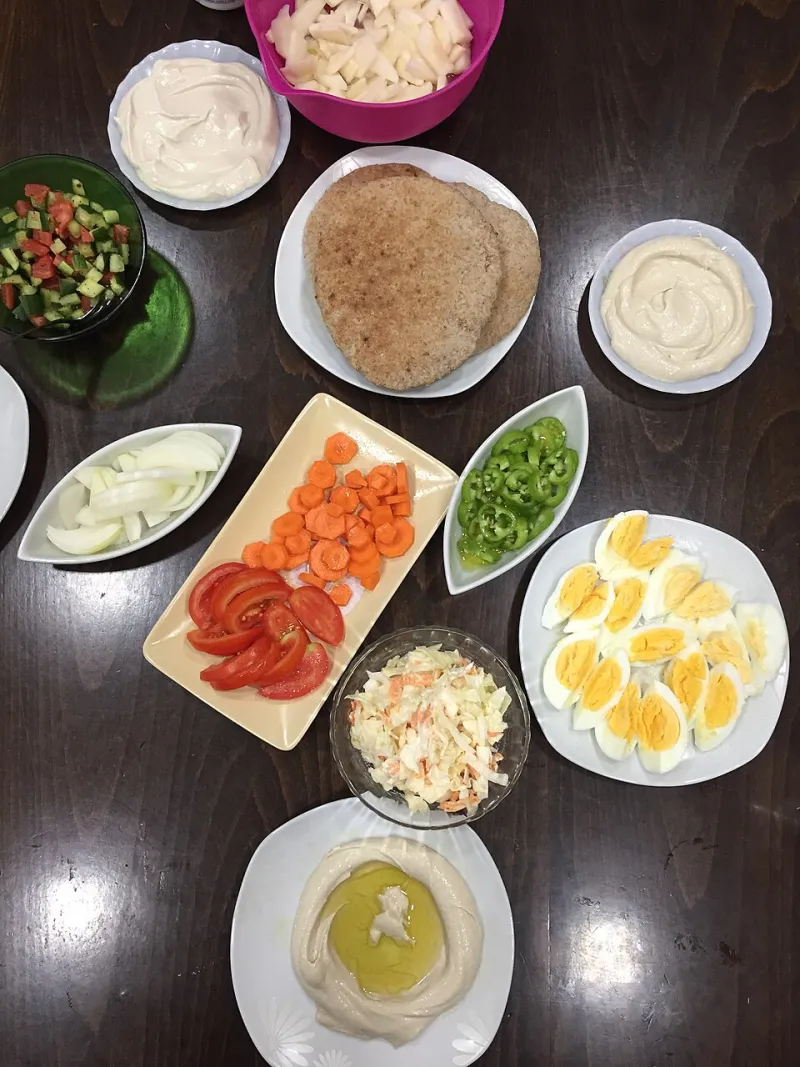
Photo: HaJunkiyada, CC BY-SA 4.0, via Wikimedia Commons
There is a particular kind of silence that gathers around a dinner table when a seat goes unfilled. It is not the silence of absence, exactly. Those who have lived through a loss know it is something closer to presence — a stillness that holds the shape of the person who used to sit there.
For the Kubi family, that seat has been the one at the end of the table, closest to the kitchen doorway, where Stanley could keep an eye on the pots and still hear the front porch. On Sundays, it remains unoccupied. But it is never, his family insists, empty.
The Dish That Still Gets Made
Every family that grieves eventually invents its own liturgy. For the Kubis, it begins in the kitchen with a cast-iron skillet and a recipe for paprikash that Stanley's mother brought from a neighborhood church cookbook in 1962. The dish appears at every holiday table and most Sunday ones, served in the same chipped bowl he refused to let anyone replace.
"We don't talk about it much," his daughter explained during a conversation last spring. "We just make it. And when the bowl comes out, everyone knows."
Food historians and grief counselors alike have long noted the power of this kind of ritual. A favorite dish, prepared the same way year after year, does what a eulogy cannot: it folds memory into the ordinary. There is no announcement, no ceremony. There is only dinner, and the taste of someone who is missed.
Across the Country, Similar Tables
When we asked readers of this site to share their own traditions, the responses arrived from more than a dozen states and took nearly as many forms.
A woman in Ohio sets out her father's coffee mug each Christmas morning, filled and steaming, before anyone else wakes. A family in Georgia keeps a folding chair leaned against the dining room wall — the one their grandfather carried to every tailgate for thirty years — and unfolds it at Thanksgiving. A retired teacher in Minnesota writes the year's blessings on the underside of the tablecloth, a practice begun the winter after her husband died, so that he is literally beneath every meal the family shares.
What unites these customs is not sorrow but continuity. Each one transforms a table from a piece of furniture into an archive.
Why the Empty Place Matters
Psychologists who study bereavement sometimes describe rituals like these as "continuing bonds" — the ongoing, evolving relationship people maintain with those who have died. Rather than closing a chapter, the empty chair keeps it open in a healthy, deliberate way, especially for children who never met the person being honored.
The Kubis have found this to be true. Grandchildren who never heard Stanley's laugh now know his seat, his bowl, his recipe. One of them, a college freshman, admitted she makes the paprikash in her dorm's shared kitchen each October, on the anniversary she has never needed explained.
"It's not that we pretend he's coming," his widow once said. "It's that we refuse to let the table forget him."
Ideas for Your Own Table
For families searching for a way to begin, the traditions readers shared suggest a few gentle starting points:
- Serve the signature dish. Recreate a recipe associated with your loved one, and let the cooking itself become the remembrance.
- Dedicate a moment. Some families pause before the meal for a single sentence or story. Others simply raise a glass. There is no wrong length.
- Keep an object in view. A mug, a chair, a tablecloth — a physical anchor gives the ritual form without demanding words.
- Invite the stories. Ask everyone at the table to share one memory a few times a year. Children especially benefit from hearing the small, funny, imperfect details.
- Let the ritual change. Traditions that once brought comfort can grow heavy. It is acceptable to adjust them as the years pass.
The Chair Remains
At the Kubi table, the end seat near the kitchen doorway is still the one guests are careful not to take, though no one has ever asked them not to. The bowl comes out. The paprikash simmers. And somewhere between the first serving and the last, someone tells a story that begins, "Stanley used to say..."
That, in the end, may be what all of these rituals accomplish. The chair is not filled, and it is not meant to be. It simply marks the place where memory is welcome — a place set not for a return, but for a remembrance that never needs to leave the table.